ErroBosConia
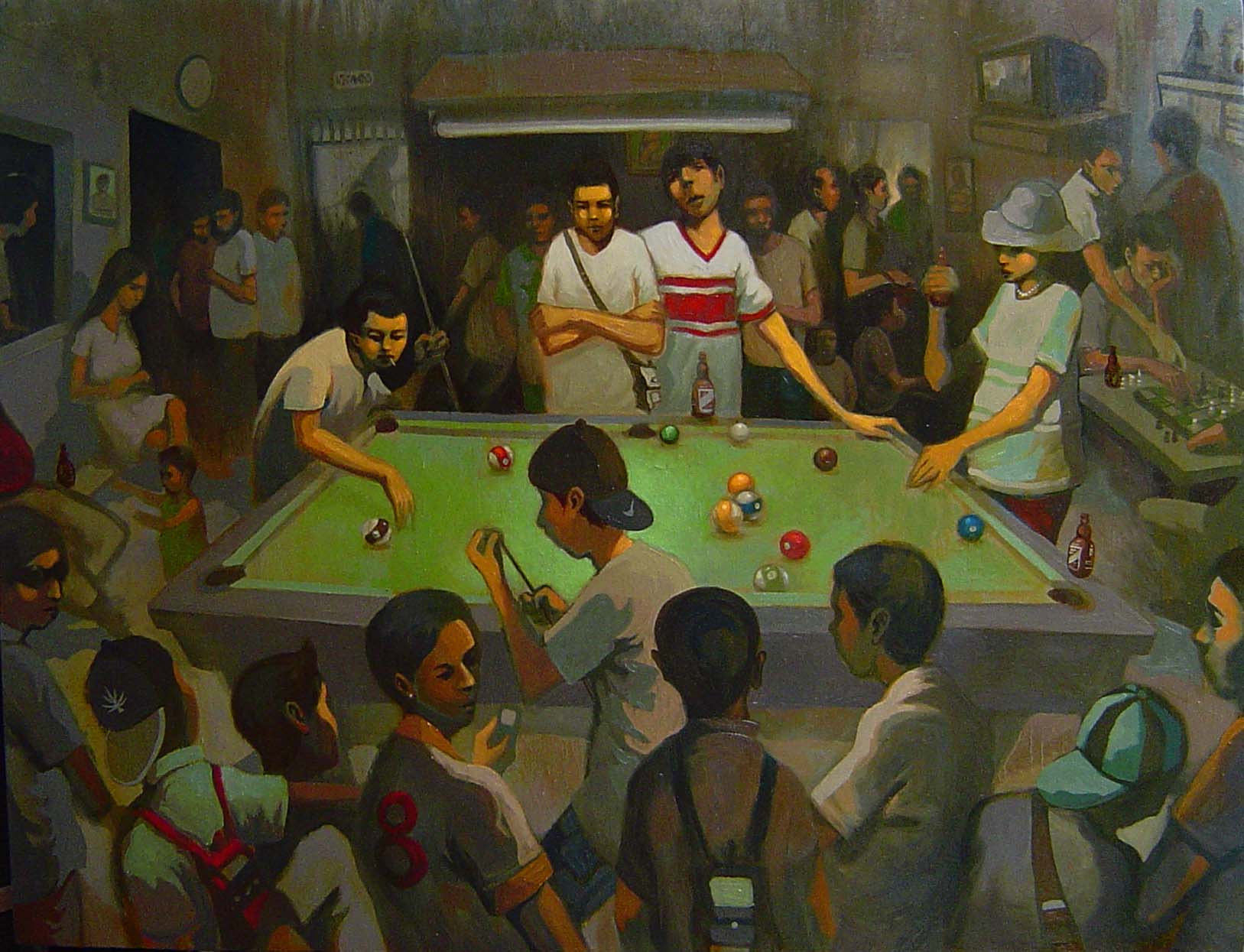
ErroBosConia paintings offer a vivid exploration of the human condition, set against surreal, dystopian landscapes. Elmer Roslin’s tormented figures—adrift, exposed, and restless—mirror the anxiety and alienation of modern life.
In this body of work, Roslin departs from his earlier realist tendencies and ventures into psychological terrain. His use of distorted anatomy, fragmented space, and shifting perspectives evokes both dream and disquiet. Figures appear caught in liminal states—half human, half apparition—wandering through vast, unrecognizable worlds.
At the heart of ErroBosConia lies a moral and emotional unease. These are not scenes of destruction for spectacle’s sake; rather, they depict inner wars — the quiet erosion of meaning in an age of noise and excess. Symbols recur: staircases leading nowhere, fractured walls, hovering bodies suspended between despair and revelation. Roslin renders his figures neither heroes nor victims but witnesses to their own undoing. Through them, he exposes the vulnerability beneath the veneer of progress.
The series can also be read as an allegory of contemporary existence—a reflection of collective disconnection and our search for truth in a fractured world. Despite its darkness, ErroBosConia is not entirely without hope. There is beauty in the ruins, light seeping through the cracks, and a persistent longing for transcendence that gives the work its emotional gravity.
Though at times visually overwhelming, the series is deeply introspective. Roslin challenges viewers to reflect on their own purpose, identity, and longing for connection. His work resonates as both personal and universal, merging imagination with existential truth.